
Welcome to My Substack
News about my big writing project and my small writing project—where I’ve been and where I'm going

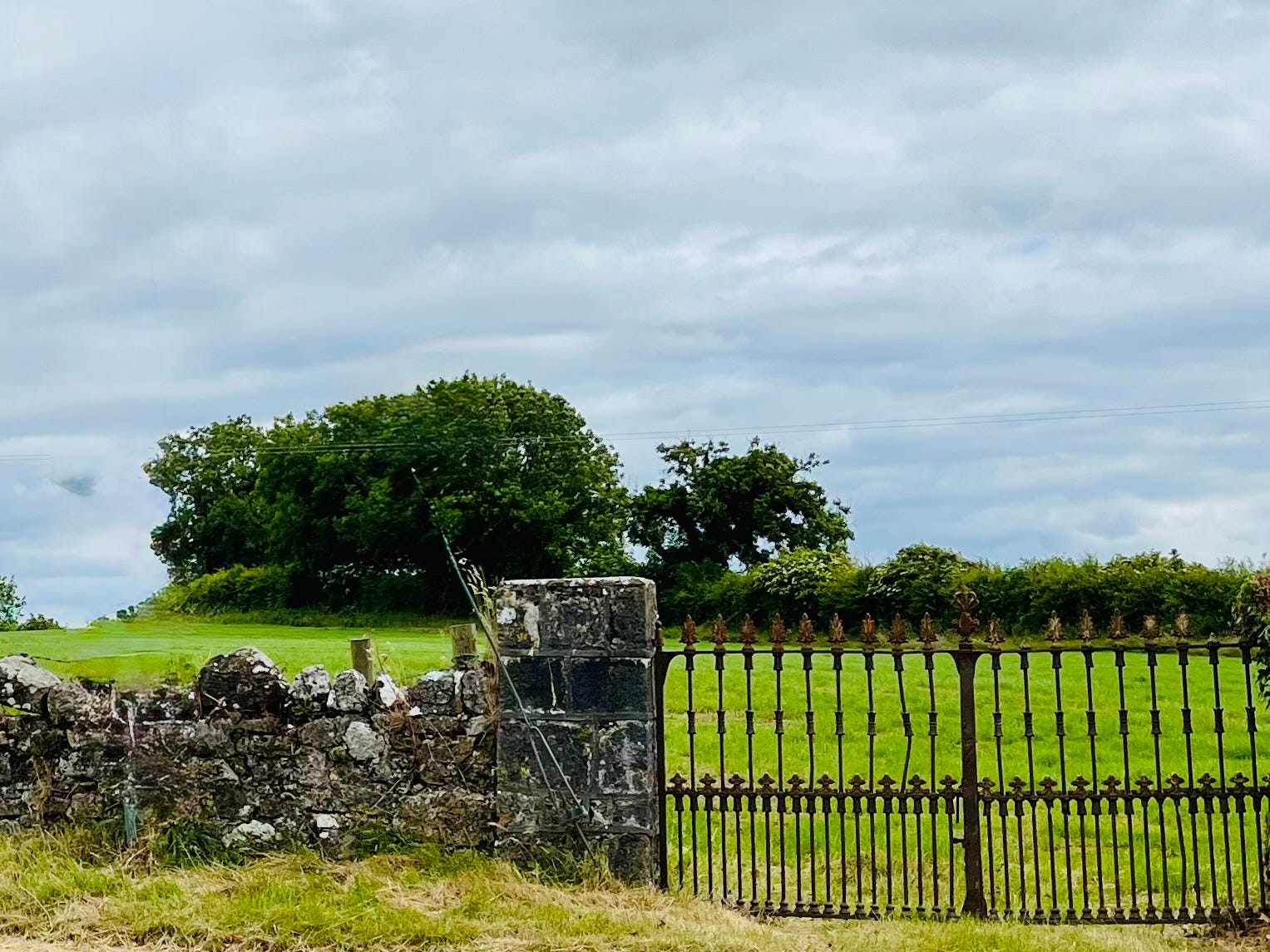
Three years ago, I was standing in a field in rural Ireland, looking around and listening to the sound of sheep, and one question came to mind.
What happened?
I was in my great-grandmother’s hometown, a small farming village 50 miles west of Dublin, during a month-long trip to Ireland. A week before I left for the trip, I had received information about Katie Farrell, my great-grandmother, from my second cousin.
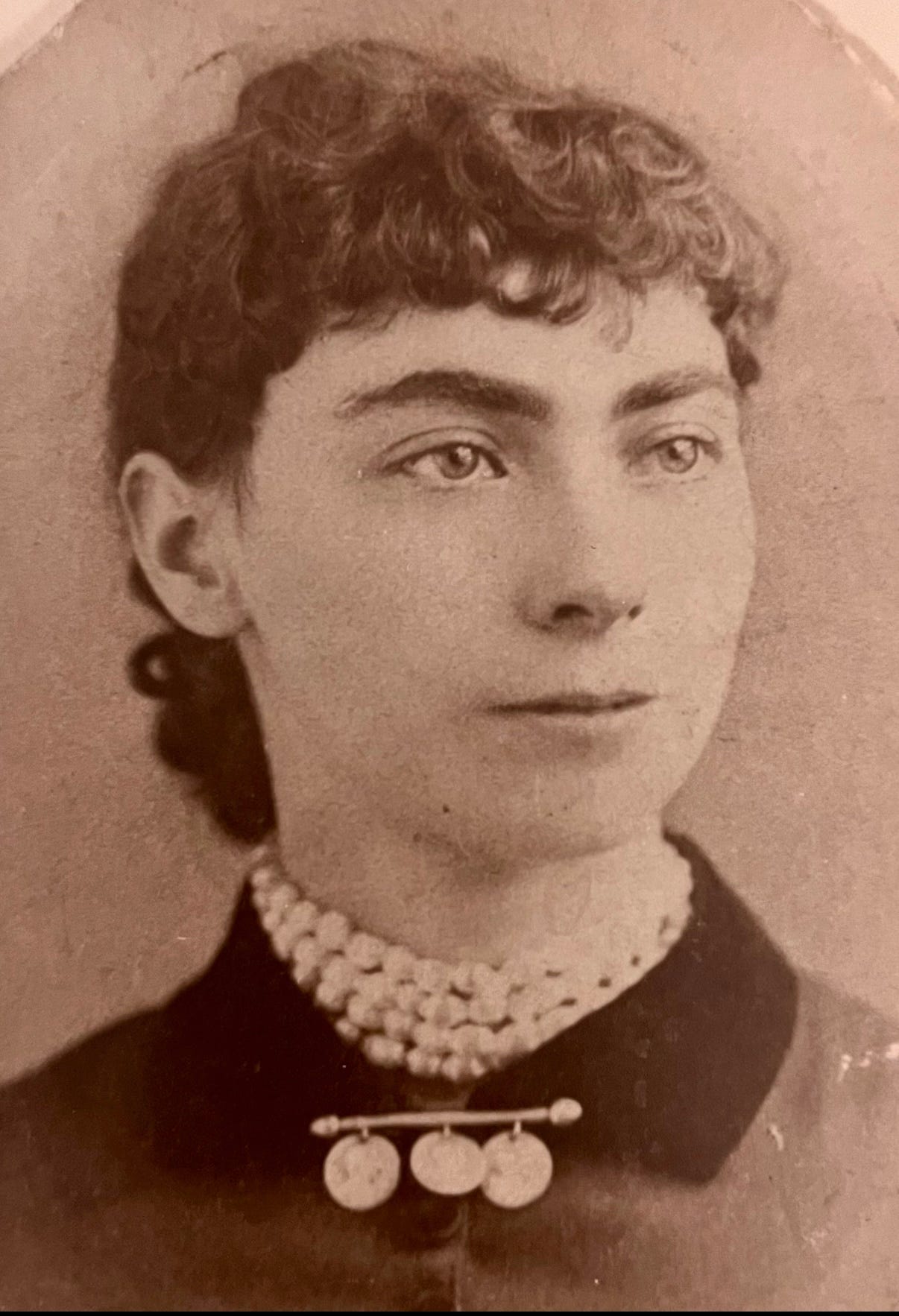
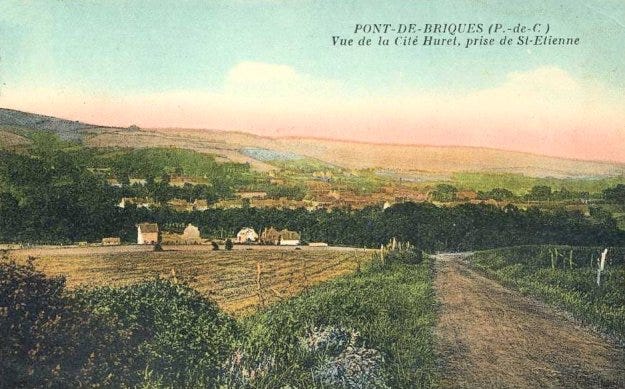
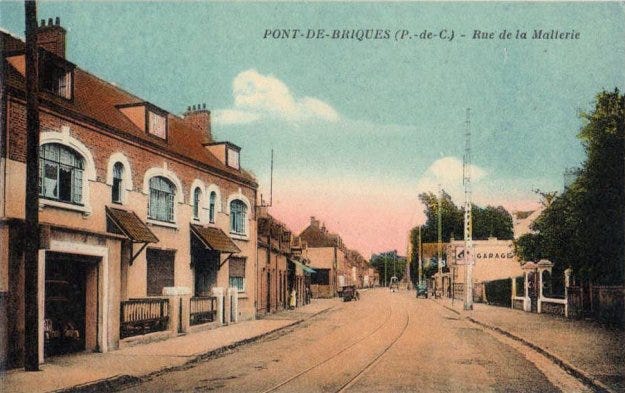
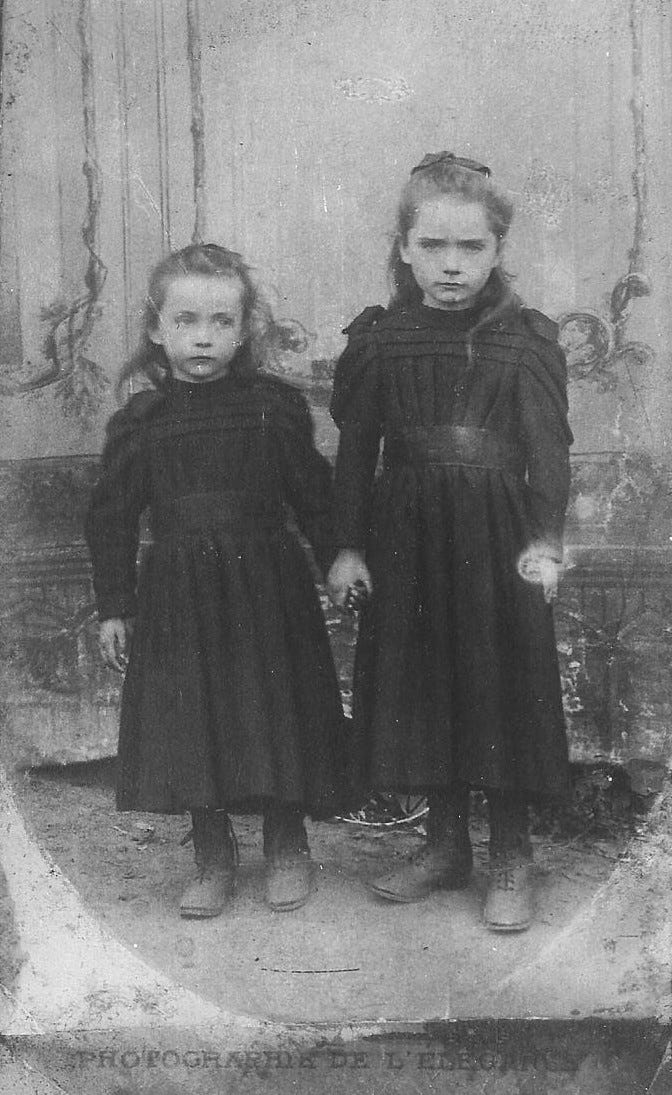
She shared some documents, including Katie’s marriage and death certificates, and a short write-up of her life. From that, I learned that Katie had left Ireland at 17 to move to New York City, where she worked in service jobs for 20 years before meeting and marrying a Frenchman. They moved back to his hometown in northern France, and she gave birth to two girls, my grandmother and her older sister.
When her husband died suddenly, his family, who apparently had never approved of his Irish wife, told her she could stay on as a maid and the family would raise the girls. Katie balked at that and left France with her daughters, bringing them back to her brother’s farm in Ireland.
She then left the girls with her family, returned to New York, and worked for five years to earn enough money to bring the girls to the U.S. After returning to Ireland to get them, she raised them in Manhattan as a single mother for 12 years.
In 1916, when her daughters were 24 and 22, Katie was admitted to Manhattan State Hospital, a psychiatric institution in New York City. She died there a year later. The causes of death listed on her death certificate are two heart conditions and psychosis.
As I stood in that field near the Farrell family home, I mulled all of this over. I wanted to understand how she went from this bucolic farm in Ireland to that sad end in New York. I returned home to Virginia determined to find more information.
I started with genealogy websites and expanded from there. I met over Zoom with a genealogist in Dublin. I looked through Irish census records, French census records, and archives from the French county where my grandmother was born.
I also began researching places Katie had lived during certain time periods, especially New York City in the early 1900s. I read about the plight of Irish immigrant women in service jobs, as well as psychiatric hospitals and mental health treatment in the early 20th century.
What I discovered was that sometimes women were hospitalized in psychiatric institutions for relatively minor physical or emotional ailments. Once they were admitted, it was often difficult for them to prove they were well enough to be released.
The more I learned, the more captivated and alarmed I became about what happened to my great-grandmother. How did this fiercely independent and strong woman, who had made such brave choices for herself and her daughters, find herself in these dire circumstances?
How could a woman who had made three transatlantic journeys alone over the span of five years, the last one with two young girls in tow, who had successfully supported those girls by herself in New York City for more than a decade, end up being labeled psychotic?
What was the last year of her life like at this place formerly called the New York City Asylum for the Insane?
I decided I wanted to write about Katie, and over the last two years, I’ve written 24 chapters framing the pivotal events in her life. My goal was to capture the key details and decide what to do with the information later.
Because I couldn’t possibly know enough to write her full story, no matter how many hours I spent researching, I had to imagine conversations, feelings, and decisions.
In other words, I had to write fiction.
The last work of fiction I wrote was a one-page mystery called “The Curious Chauffeur” when I was about nine. The premise of the story was “the call’s coming from inside the house,” so the ideas were hardly original.
Some 45 years had passed since that last attempt at fiction writing, and as I started writing Katie’s story, I felt not only woefully out of practice but also ill-prepared. I’ve always read mostly nonfiction, so making up dialogue and creating scenes felt uncomfortable and clumsy.
But for reasons I still don’t fully understand, Katie Farrell’s story has been on my heart and mind since I first visited her village in Ireland. I feel compelled to write about her life, in hopes of honoring her memory and recognizing how much she impacted me and others in my family.
In May, I returned to Ireland to attend a writers’ workshop, in large part looking for some clarity about what to do with this story. Both authors I worked with strongly recommended that I not try to be Katie’s biographer or include all the details of her life that I’ve been able to track down.
One suggestion was to begin the (fictionalized) story at the psychiatric hospital and make Katie part of a composite character. Another was to begin with Katie as a 17-year-old and just start writing without any specific idea of where the story might lead.
I felt relieved to hear both ideas. Not trying to tell her story exactly feels freeing, especially since I’m guessing at most of what happened. I’m not sure exactly what path it will take, but I know I’m going to attempt to tell a story that includes a woman like Katie.
I’m excited to begin.
In addition to the much larger and longer project about my great-grandmother, I’m also going to return to writing the shorter pieces I started posting on the blog I created at the beginning of the pandemic.
Because independent blogs are now considered akin to having an AOL email address (and heaven forbid I appear to be behind the times on anything), I have created a Substack.
The first Monday of every month, I plan to post a story. I’ll write about experiences that taught me something, or insights I’ve had as a 56-year-old, twice-divorced, formerly heterosexual, avid sports fan and beer drinker who is also a perpetual dieter and a single parent of an emerging adult.
Welcome to my Substack!
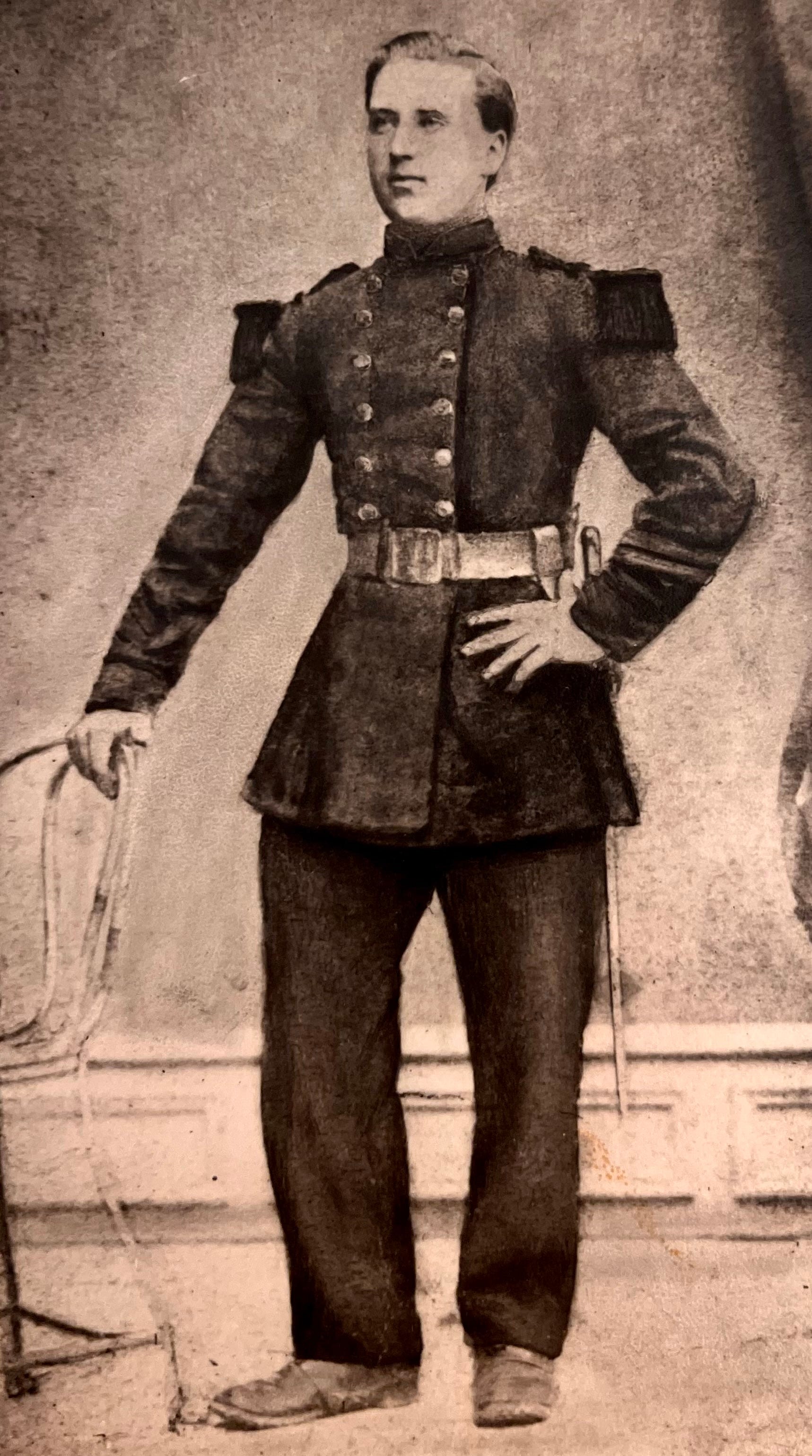
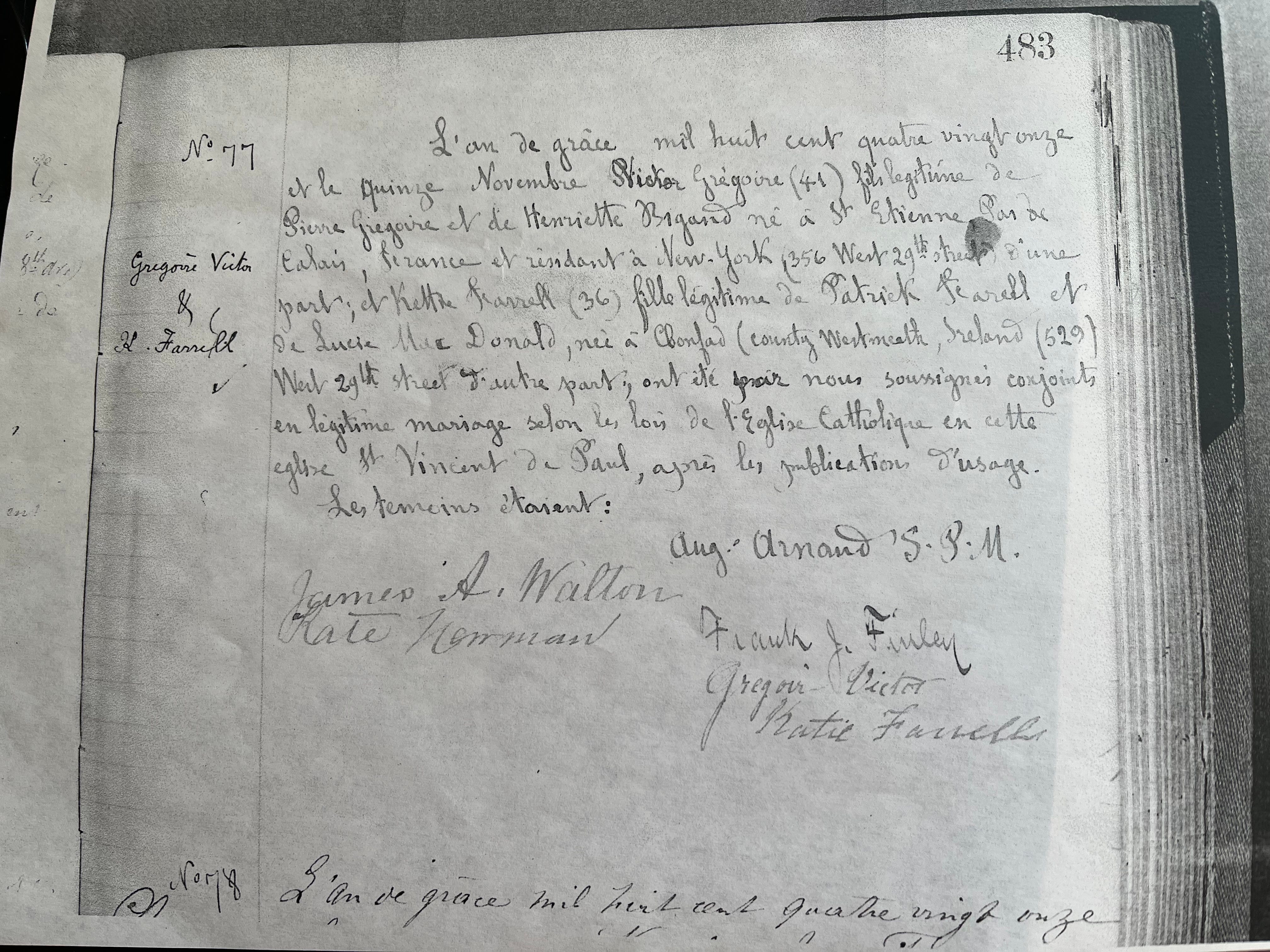
Wonderful Sue!! You are so lucky to have these photos!! It inspires me to keep after the stories of my 2 Irish great grandmothers, one from Leitrim and the other from Wexford. That’s my next trip to Ireland.
As for the text, I might suggest a factual outline, real places, then flesh it out with dialog etc.
I’m thinking of My Dream of You by Nuala O’Faolin. (Sp) She weaves a true famine story around her own biography. Been a long time since I’ve read it but she’s a fascinating writer anyway. Also wrote Are You Somebody?
Keep going!
I have to read the story about the chauffeur! Where is it, Sue Bop?